
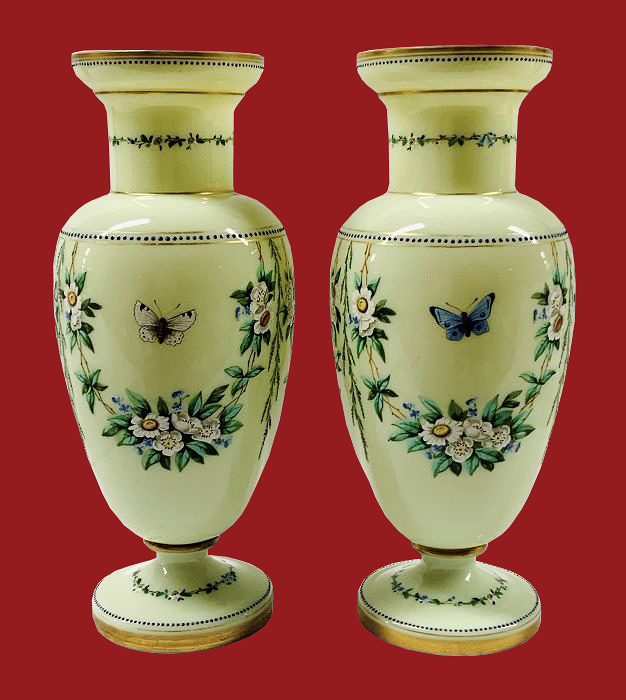
By Appointment Only
We are working by Private Appointment to see items and try on jewellery. As well as for pickup of online, email and phone orders.
In person shopping within the King Street store is not available.
Open Tuesday – Saturday 11AM – 5PM By Appointment.
We will happily answer questions and process orders as quickly as possible.
We ship with FedEx and local delivery services for those unable to visit in person.


Featured Products

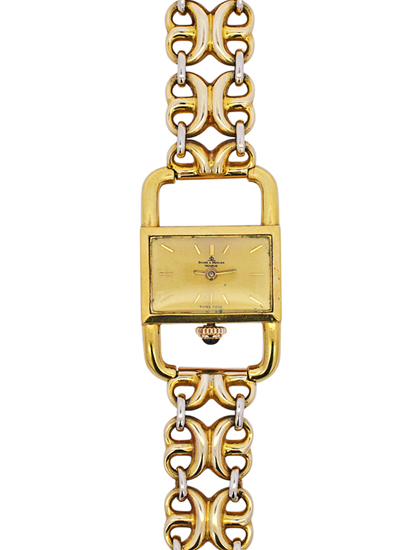
Vintage Baume & Mercier Wind Wristwatch
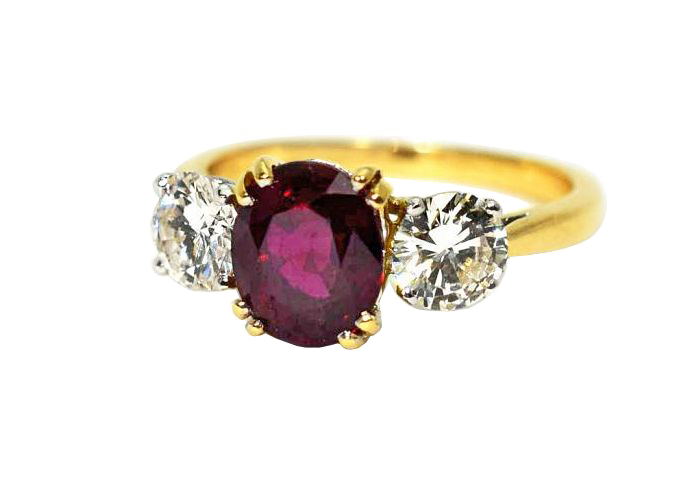
Vintage 2.03ct Ruby and Diamond 18kt Ring
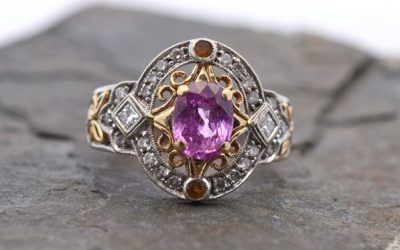
TAOK 3.0 Welcome To Our New Site
Hello and welcome to Toronto Antiques on King 3.0. This is the third version of TAOK online! Thank you to our incredible team members, and especially to our wonderful customers who have propelled our King Street, Toronto, Canada antique, vintage, retro and mid-century...

Style Advisor – The Globe And Mail
Cynthia Findlay Fine Jewellery & Antiques was thrilled to be invited by the photographer Felix Wedgwood to contribute jewellery to his beautiful mood creative shot in September and now to have the opportunity to showcase his work in The Globe And Mail Style...
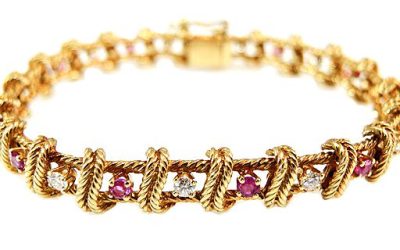
Vintage Tiffany & Co. Jewelry & Vintage Birks Jewellery
Shop our newly created Vintage Tiffany & Co. Jewelry & Vintage Birks Jewellery collections located under the Signed Designer Jewellery!
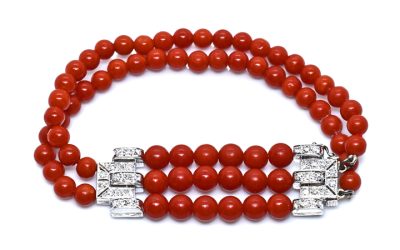
Vintage Antique Estate Coral Bracelets
Explore Our Latest Category Of Coral Bracelets. Click Here To Shop Now.
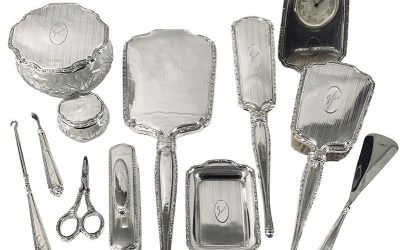
Birks Sterling Silver
One Of Our Most Recent Categories Is Birks Sterling Silver. Click Here To Shop Now & Explore.
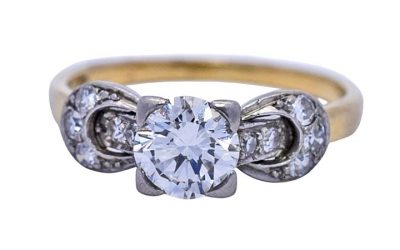
Cynthia Findlay Fine Jewellery & Antiques Ships
We ship across Canada and internationally. Here are the landing pages for just several cities in the United States. The landing page for Antique Jewelry In Dallas The landing page for Antique Jewelry In Houston The landing page for Vintage Jewelry In Los Angeles The...
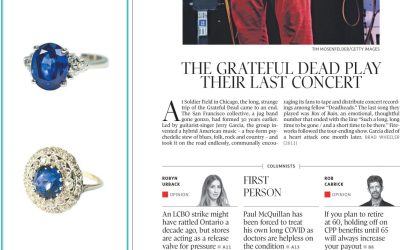
Shop Our Estate Sapphire Rings & Jewelry Collection!
As seen in the July 9th The Globe And Mail. Vintage Sapphire Rings - - - - Visit our cool blues of summer. We have a stunning selection of significant vintage sapphire solitaire rings……and here are a few of our favourites! More photos and full descriptions available...
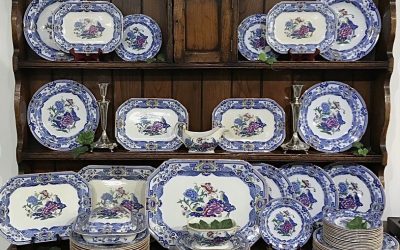
New Blue & White Porcelain & Pottery Categroy
Discover the blue and white porcelain and pottery category on our main Cynthia Findlay Fine Jewellery & Antiques site by clicking here.
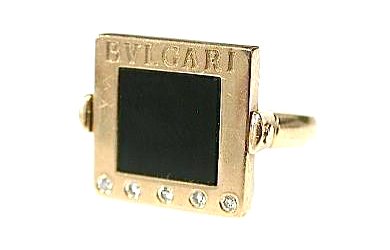
For Dads, Grads & Newlyweds
Find gifts they will treasure online at www.cynthiafindlay.com/antique-vintage-estate-father-s-day-gifts.
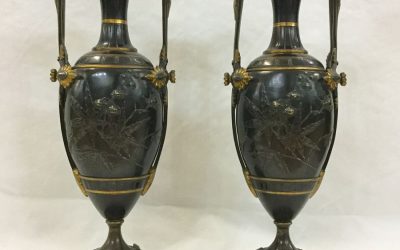
Prop Rentals Updated
Explore our updated prop rentals category by visiting www.cynthiafindlay.com/prop-rentals-toronto.html.
VIEW ALL CATEGORIES
- Antiques (41)
- Arabella Magazine (2)
- Art Deco (12)
- Birthstones (15)
- Blue Willow (2)
- Bridal Jewellery & Accessories (14)
- Celebrities (10)
- China (5)
- Christmas (7)
- Collecting Doulton & Beswick Magazine (2)
- Cynthia Findlay (36)
- Entertainment District (7)
- Events (17)
- Fashion (2)
- Figurines (4)
- Film & Television Props (10)
- Fundraising & Charity (7)
- Gemstones (19)
- Georgian Jewellery (2)
- Gift Ideas (32)
- Hanukkah (2)
- History (17)
- Holiday (16)
- House & Home Magazine (10)
- Interior Decorator (10)
- Jane Dayus-Hinch (1)
- Judith Miller (1)
- Magazines (14)
- Media (14)
- Memorbilia (1)
- Movies (3)
- Musicals (4)
- Mustache Cups (1)
- Paintings (2)
- Pearls (2)
- Photo Shoots (7)
- Photographs (5)
- Pottery (2)
- Royal Doulton (6)
- Royal Wedding (2)
- Rubies (2)
- Silver (3)
- Style at Home (2)
- Tea, Teacups & Accessories (3)
- Television Shows (7)
- Toronto Antiques (18)
- Toronto Antiques on King (86)
- Victorian (9)
- Victorian Jewellery (3)
- Vintage Jewellery (53)
- Engagement Rings (17)
- Estate Jewellery (20)
- Wedding SOS (1)
- Wedgewood (3)
- YouTube (4)